
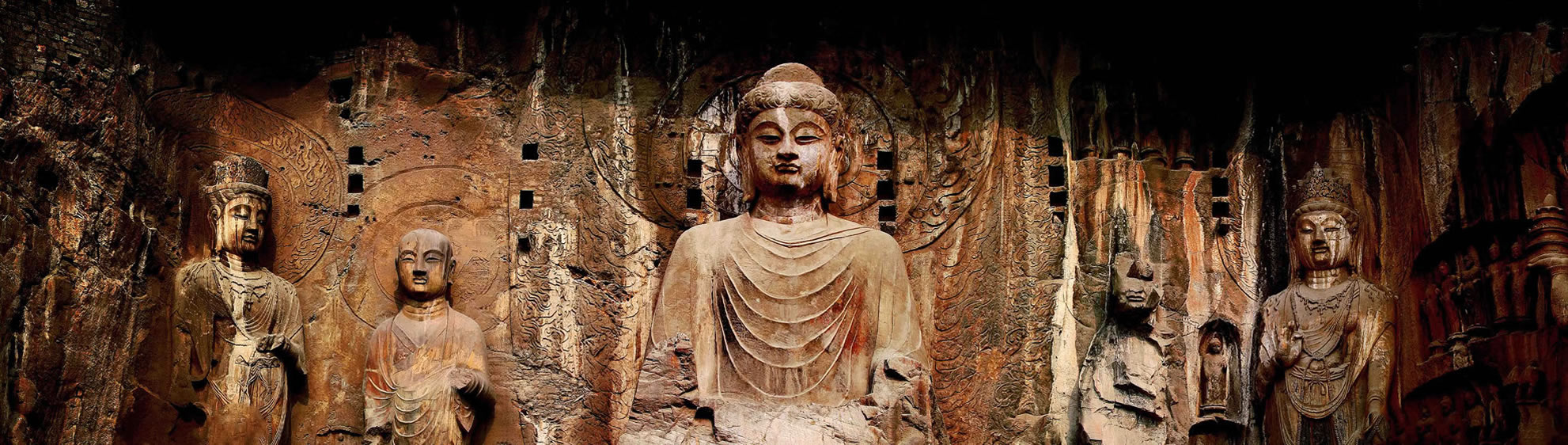
The 4th Youth Forum on Cave Temple Archaeology Held at the Longmen Research Institute
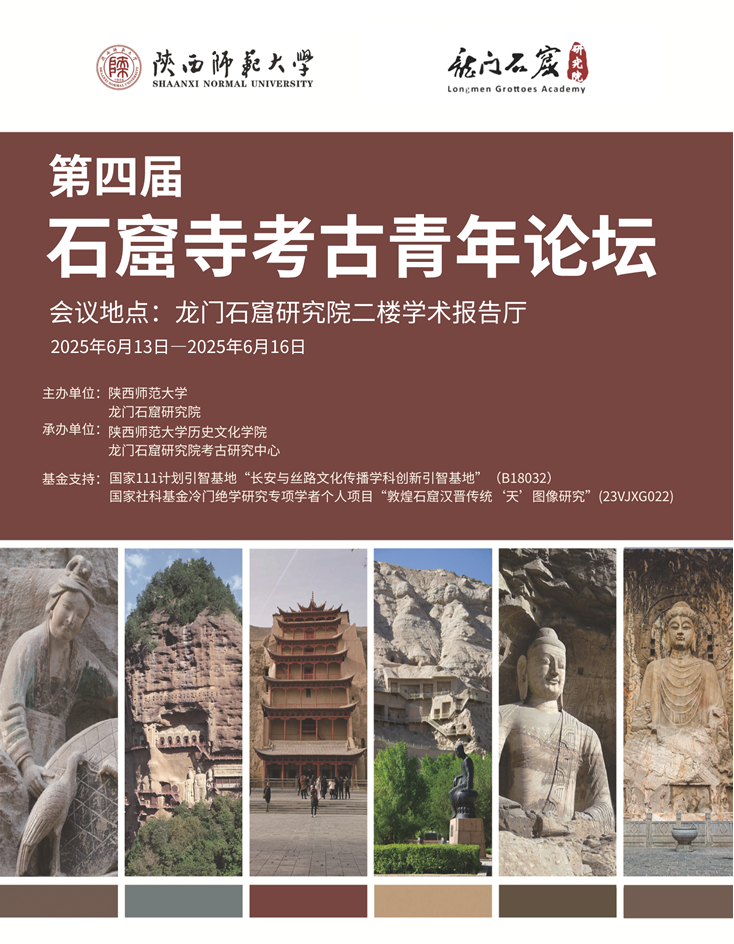
The forum, centered on the theme of Cave Temple Archaeology, featured discussions on key topics including the construction history of cave temples, statuary, and Buddhist imagery and art. It brought together over 50 young scholars, master's and doctoral candidates,and postdoctoral researchers specializing in grotto archaeology, conservation, iconography, and art history. Participants hailed from more than a dozen institutions, such as Shaanxi Normal University, Longmen Grottoes Research Institute, Dunhuang Academy, Yungang Research Institute, Guangyuan Grottoes Research Center, Sichuan University, Lanzhou University, Fudan University, Northwest University, Shanxi University, Xi’an Academy of Fine Arts, Ningxia University, and Xinjiang Museum.
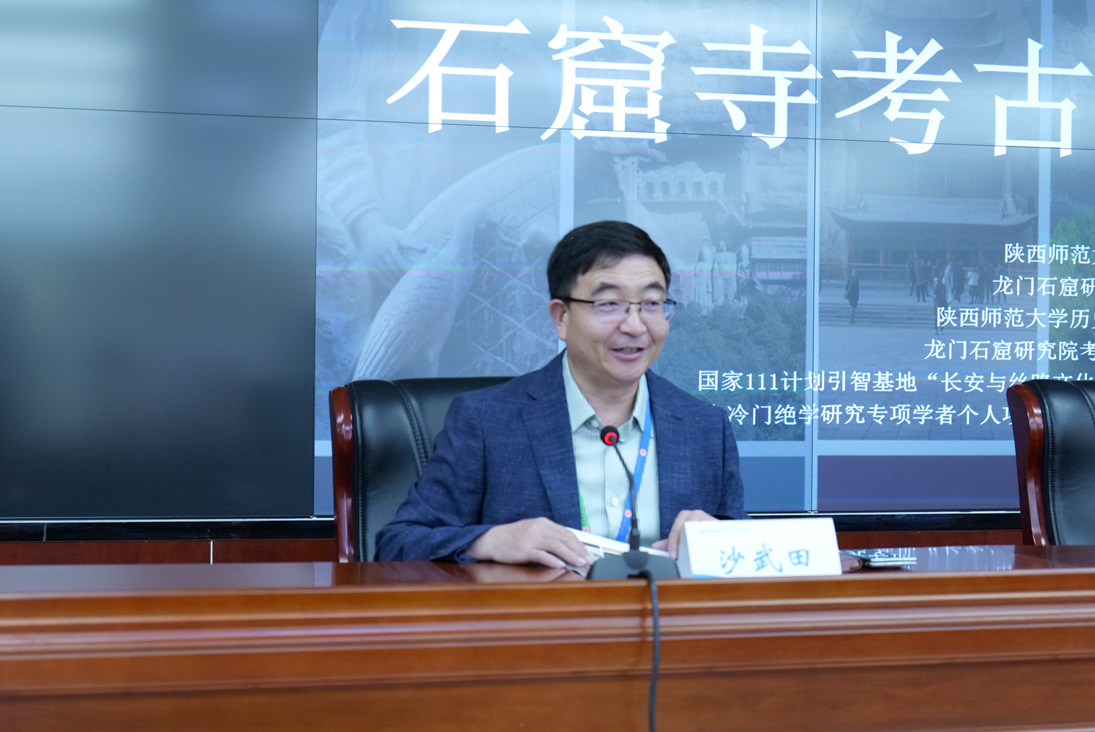
The opening ceremony was presided over by Professor Sha Wutian, the convener of the forum, a Changjiang Scholar Distinguished Professor of the Ministry of Education, a professor at the School of History and Culture of Shaanxi Normal University, the University Librarian, and editor-in-chief of the Journal of Silk Road Studies. The event commenced with an address by Chen Jianping, vice president and Research Fellow of the Longmen Grottoes Research Institute. Chen emphasized that cave temples are irreplaceable and non-renewable treasures of Chinese civilization, and a crucial foundation for strengthening cultural confidence and building a modern civilization for the Chinese nation.He cited President Xi Jinping’s inspection at the Longmen Grottoes, where he stressed the need to “protect, preserve, and pass on these cultural gems of Chinese civilization,” pointing the way forward. Chen also encouraged young scholars to build a solid professional foundationwhile actively exploring and adopting new technologies and methods to advance research, conservation, and the dissemination of knowledge incave temple archaeology. With professional competence and a deep sense of national responsibility, he urged them to bravely undertake the mission of inheriting and perpetuating Chinese cultural heritage.

Professor Li Shengzhen, vice dean of the School of Chinese Language and Literature at Shaanxi Normal University and head of the national "111 Program" Intellectual Introduction Base "Disciplinary Innovation and Intelligence Base for Chang'an and Silk Road Cultural Communication" (B18032), delivered an address. He first expressed gratitude for the strong support from the organizing institutions, emphasizing the importance of interdisciplinary exchange and integration. Professor Li introduced the latest progress and key initiatives of Shaanxi Normal University in Silk Road studies, Dunhuangology, and cave temple archaeology. He looked forward to deeper collaboration and exchange with the Longmen Grottoes Research Institute through this forum and expressed hope for enhanced cooperationbetween Shaanxi and Henan provinces in the field of cultural research.
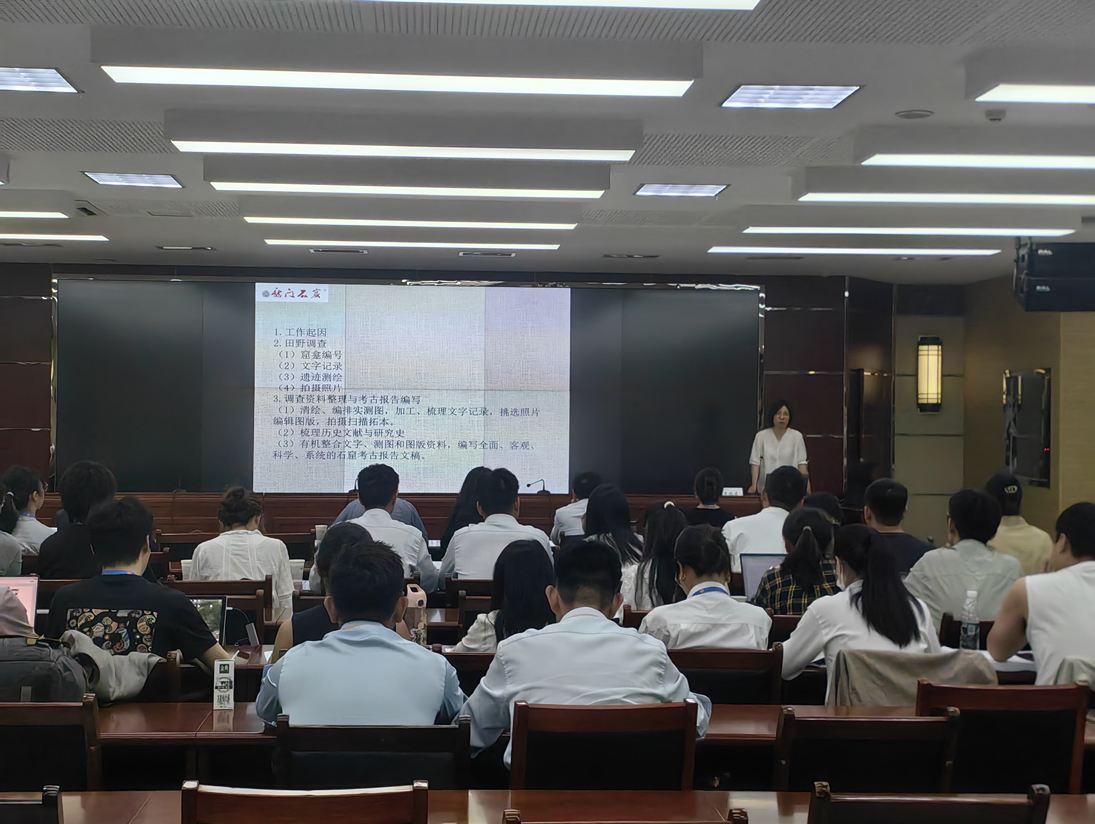
Professor Yu Chun from the School of Cultural Heritage at Northwest University delivered an address. He stated that research on cave temple archaeology represents a concrete practice of implementing the important directives of General Secretary Xi Jinping regarding cultural heritage preservation. Professor Yu also shared his personal academic connection with cave temples and encouraged young scholars to remain true to their original academic aspirations, leverage their professional strengths, embrace their mission with courage, and become guardians linking the past and the future. Dr. Yuan Di, a postdoctoral researcher from the Institute of Literature and History at Fudan University, spoke as a representative of the young scholars. She noted that the developmental stages of cave temples integrate the histories of different periods and cultures from various regions. The Young Scholars Forum on Cave Temple Archaeology, she remarked, provides an ideal platform for scholars specializing in different areas to engage in in-depth communication and inspire each other’s thinking.
Following the opening ceremony, four experts delivered keynote speeches on the following topics: Professor Sha Wutian (Shaanxi Normal University): "An Early and Rare Example of a Buddhist Interment Cave: Analysis of the Nature and Function of Cave 461 (Northern Zhou Dynasty) in the Northern Sector of the Mogao Grottoes." Associate Research Fellow Li Xiaoxia (Longmen Grottoes Research Institute): "Field Investigation and the Compilation of the Archaeological Report for the Guyang Cave at Longmen Grottoes." Professor Dong Huafeng (Sichuan University): "Dunhuang and Ba-Shu: Perspectives from Buddhist Archaeology." Associate Professor Wu Xia (Shanxi University): "The Design and Artisan Origins of the Lianghoudian Grottoes in Wuxiang, Shanxi—With a Discussion on the External Influence of the Yungang Grottoes."
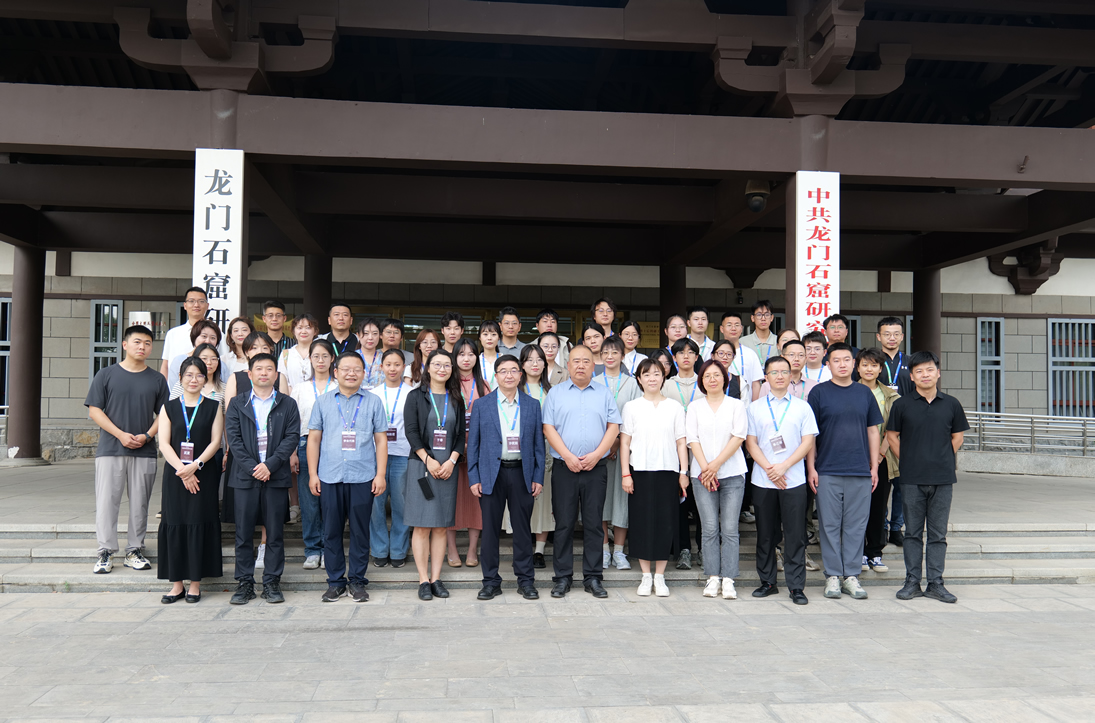
Subsequently, a dedicated session was held for the young scholars' presentations.Twenty-five early-career researchers from key universities and research institutions across China delivered specialized reports on cave temple studies, collectively showcasing the field’s most cutting-edge research findings. The presentations offeredmultidisciplinary perspectives, spanning art history, archaeology, and cultural heritage conservation. The research covered an extensive temporal and spatial scope, focusing on historical periods from the Northern Dynasties to the Tang and Song dynasties. The studies examined major cave temple sites across China, including the Dunhuang Grottoes, Longmen Grottoes, Guangyuan Grottoes, and cliff inscriptions. Innovative methodology was a hallmark of the session,with presentations highlighting breakthrough progress in areas such as iconographic analysis and digital preservation techniques.